
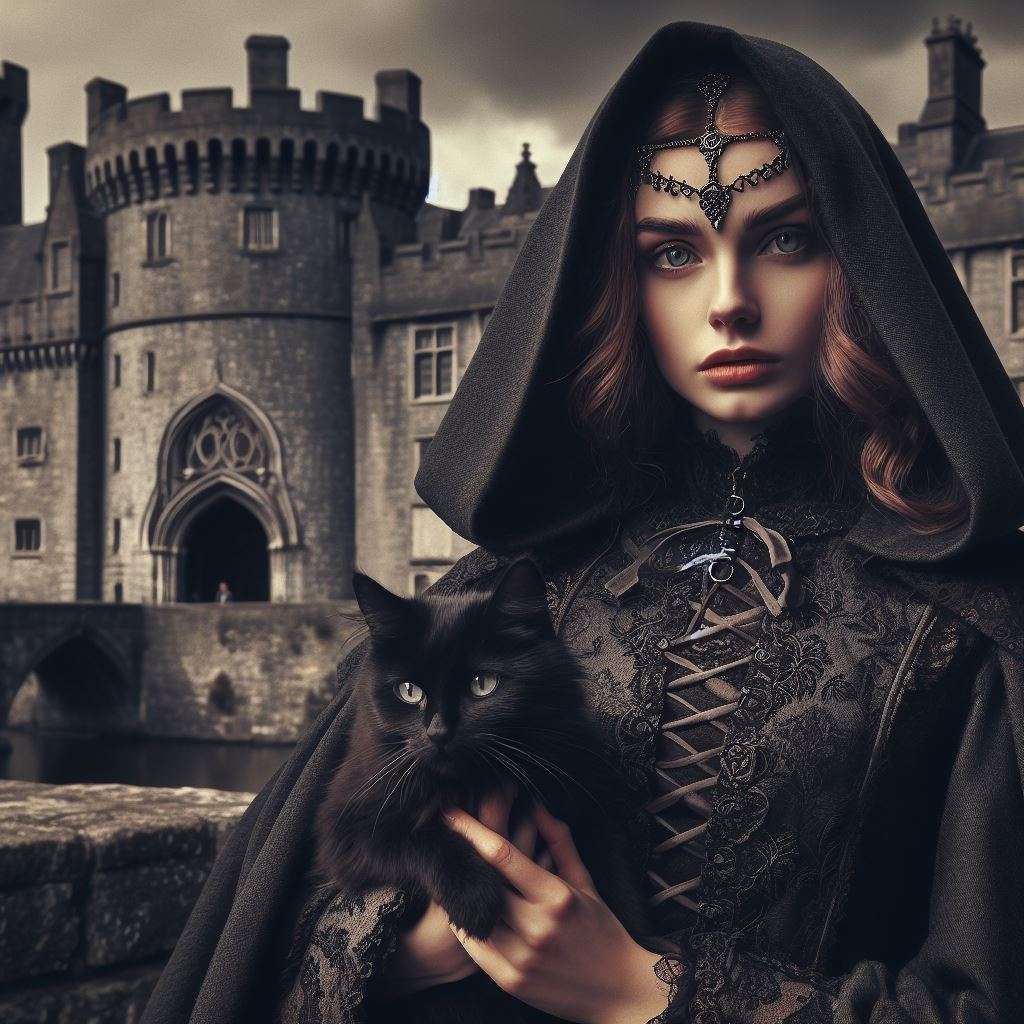
Alice Kyteler: The Kilkenny Witch Trials
Alice Kyteler, born in 1263, was the first recorded person condemned for witchcraft in Ireland. Her life, shrouded in mystery and intrigue, offers a fascinating glimpse into the societal norms and superstitions of the 14th century.
Early Life
Alice was the only child of a Flemish family of merchants who had settled in Ireland in the mid-to-late 13th century. She was born in Kyteler’s House, County Kilkenny. Her life prior to her marriages remains largely unknown.
Marriages and Wealth
Alice was married four times, each time to wealthy men, which significantly contributed to her vast wealth. Her husbands included:
1. William Outlaw, a wealthy merchant and moneylender from Kilkenny.
2. Adam le Blund of Callan, another moneylender.
3. Richard de Valle, a wealthy landholder of County Tipperary.
4. Sir John le Poer.
Alice’s marriages were not without controversy. She was accused of persuading some of her husbands to disinherit their children in favour of her first-born son, William Outlaw. This incited the suspicion and anger of her stepchildren.
Accusations of Witchcraft
In 1324, after the death of her fourth husband, John le Poer, Alice was accused of using poison and sorcery against her husbands. The charges against her included denying the power of Christ and the Church, sacrificing animals to demons, seeking advice from demons on witchcraft, having a sexual relationship with an incubus, and holding unauthorized coven meetings. Alice’s vast wealth, involvement in moneylending, and the animosity she had incurred from her stepchildren due to her inheritance practices, all played a part in these accusations.
Escape and Legacy of Alice Kyteler
Alice managed to escape the country to either England or Flanders before she could be persecuted. There is no record of her after her escape. However, her servant, Petronilla de Meath, was not so fortunate. After being tortured and confessing to the alleged crimes, she was flogged and burned to death at the stake on November 3, 1324. This year will mark the 700 year anniversary of that terrible occasion.
Alice Kyteler’s story serves as a stark reminder of the fear and superstition that pervaded society in the 14th century. Alice Kyteler’s life continues to fascinate historians and the public alike, serving as a chilling tale of suspicion, fear, and the power of accusation. To learn more about Alice Kyteler, Petronilla de Meath and the Kilkenny Witch Trials, join on one of our boat trips where our Skippers will tell you the local tales and folklore from the era.


0 Comments